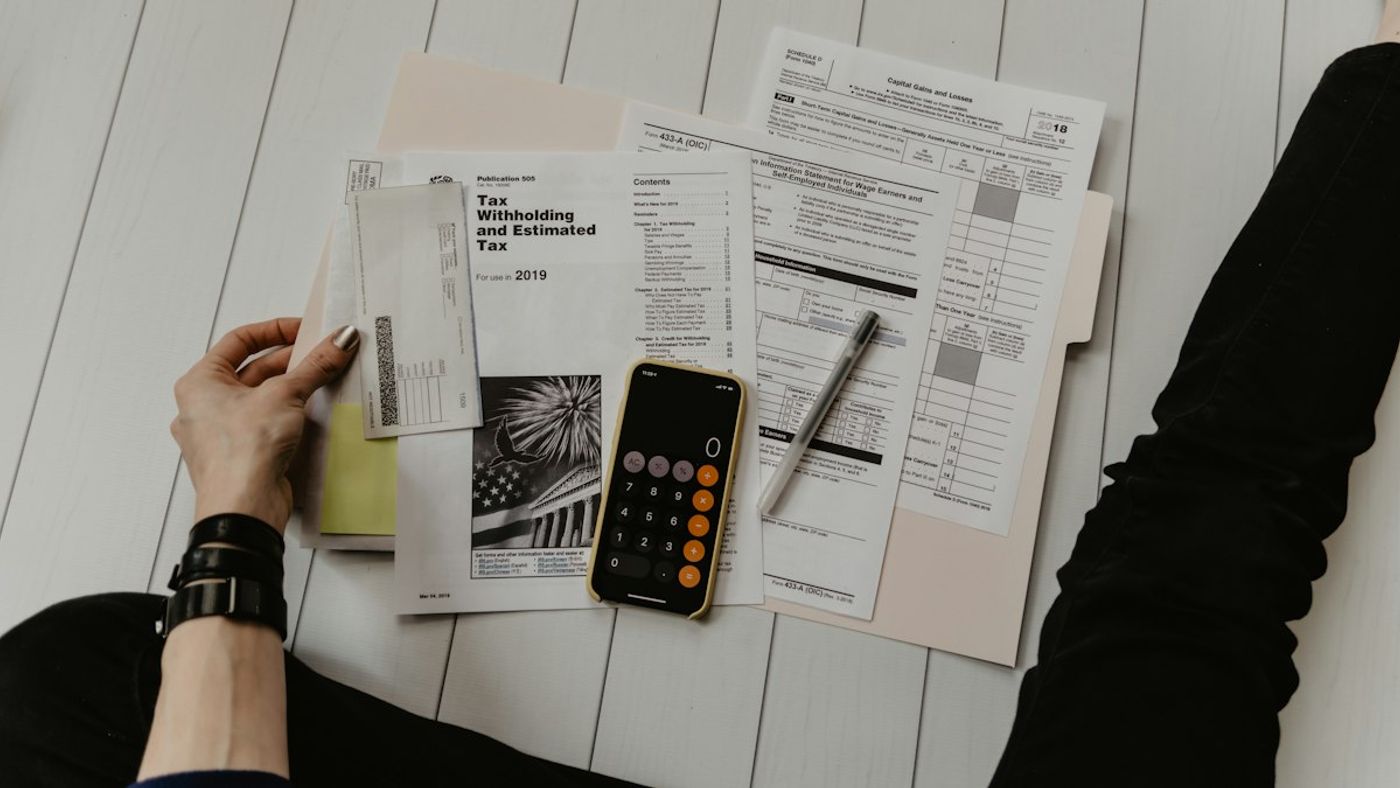
It's the first question most people ask before their first trade: if no money changes hands, is there any tax? The short, honest answer is yes — bartering is taxable in the U.S. The good news is that the rules are simple once you understand them, and a little recordkeeping keeps you in the clear. Here's how barter taxes actually work.
The short answer: yes, barter is taxable income
The IRS treats barter like any other income. When you trade goods or services, the value you receive is taxable — even though no cash moved. The IRS covers this in Topic 420 (Bartering Income) and Publication 525. "No money" does not mean "no tax."
How much is taxed? Fair market value
The taxable amount is the fair market value (FMV) of what you receive — roughly, what it would have cost in cash. If you trade web design worth $500 for a $500 camera, you each generally have $500 of income to report. You count it in the year you receive the goods or services.
The forms: who reports what
Which form applies depends on how you barter:
- Through an organized barter exchange: an exchange (a club or platform that tracks trades, often with trade credits) is generally required to issue Form 1099-B, reporting the value you received for the year, to you and the IRS.
- Direct, service-for-service trades in business: no 1099-B is issued, but a business paying $600 or more in services over the year may need to issue a 1099-MISC. You still report the income regardless.
- Personal (non-business) barter: there's often no form at all — but the value received is still reportable income.
Business barter income is typically reported on Schedule C. When in doubt about which form applies to you, confirm with a tax professional — the IRS instructions are the authority, and thresholds can change.
Trade credits count when earned, not when spent
If you use a platform with trade credits, the IRS treats credits as income when you earn them, not when you spend them. Holding unused credits at year-end doesn't defer the tax — you've already earned that value.
Don't forget state and sales tax
Federal income tax isn't the whole picture. Many states treat a barter of taxable goods or services as a taxable sale, so state income or sales tax can apply too. Check your own state's rules — Maryland included.
How to stay compliant (it's easy)
Good records make barter taxes painless. For every trade, note:
- The date of the trade.
- A description of what you gave and what you received.
- The fair market value of what you received.
- Any form you receive (1099-B / 1099-MISC).
Keep it in a simple spreadsheet as you go. At tax time, you (or your accountant) report the totals — done.
Is this the same as a 1031 exchange? No.
A 1031 "like-kind" exchange is a different thing entirely — it lets real-estate investors defer capital gains tax when swapping investment property, under strict rules. Everyday bartering of goods and services doesn't qualify for 1031 treatment. If you're a property investor, see our 1031 Exchange Maryland & DC guide.
Bartering on MeetTheMinds
MeetTheMinds is a cash-free marketplace for trading items, services, and business connections — see how barter works if you're new to it. Trading is a great way to get what you need without spending cash; just remember the value you receive is reportable income, so keep a simple log of your trades. We're a marketplace, not a tax advisor — for your specific situation, talk to a qualified CPA.
Frequently asked questions
Do I owe tax if I didn't receive any money?
Yes. The IRS taxes the fair market value of what you receive in a trade, cash or not. Bartering income is treated like any other income.
Is there a minimum amount before barter is taxable?
Technically, barter income is reportable from the first dollar of value. Separate thresholds (like $600) affect whether certain forms are issued — not whether the income is taxable. Check the current IRS instructions or ask a tax pro.
Do I report barter if it's personal, not a business?
The value you receive is still reportable income even for personal trades, though you may not receive any tax form. How you report it depends on your situation — a CPA can point you to the right line.
Does bartering avoid taxes?
No — bartering changes how you pay (value for value instead of cash), not whether income is taxable. It can save you cash and put idle items to use, but it's not a tax loophole.
Ready to trade? Create a free account and browse the marketplace on MeetTheMinds — just keep records of what you receive.
This article is general information, not tax or legal advice. Barter tax rules are fact-specific and can change. Always confirm your situation with a qualified tax professional (CPA or tax attorney) and the current IRS guidance.